
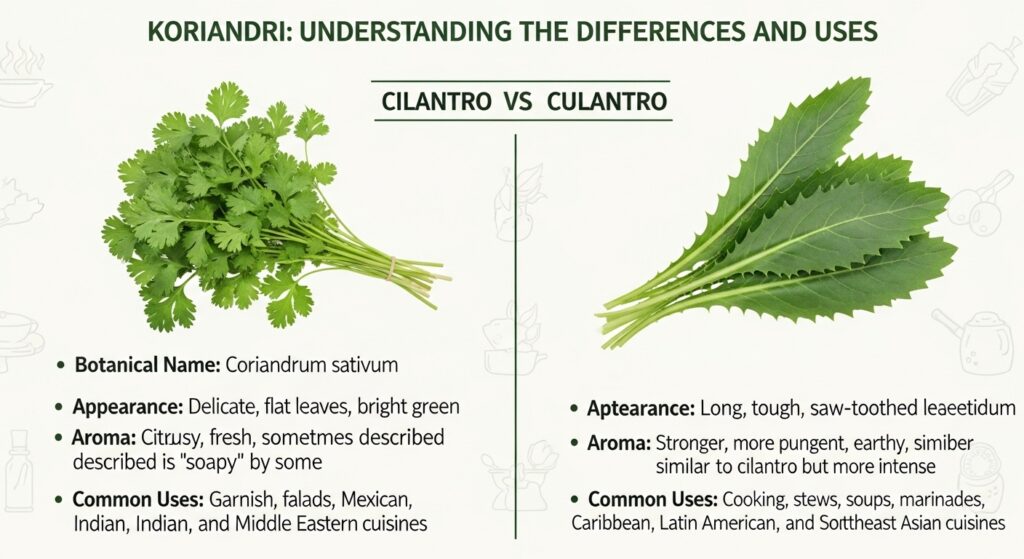
Koriandri, commonly referred to as coriander or cilantro depending on the region, is a versatile herb and spice used widely across global cuisines. Known for its distinctive aroma, flavor, and culinary versatility, Koriandri has become a staple ingredient in kitchens from Asia to the Americas. Beyond flavor, it also offers numerous health benefits and traditional uses in medicine and wellness practices.
What is Koriandri?
Koriandri comes from the plant Coriandrum sativum, which belongs to the Apiaceae family. Its two primary forms are:
-
Fresh Leaves (Cilantro): Known for a bright, citrusy flavor often used as a garnish or in salads, sauces, and fresh preparations.
-
Dried Seeds (Coriander Seeds): With a warm, nutty, and slightly citrusy taste, the seeds are used whole or ground as a spice in cooking.
The differences between leaves and seeds are significant in flavor, aroma, and culinary application. While the leaves are fresh and pungent, the seeds are earthy and aromatic when roasted or ground.
Differences Between Koriandri Leaves and Seeds
| Feature | Leaves (Cilantro) | Seeds (Coriander) |
|---|---|---|
| Flavor | Fresh, citrusy, slightly peppery | Warm, nutty, slightly sweet |
| Aroma | Bright, pungent, fresh | Earthy, aromatic, subtle citrus notes |
| Culinary Use | Garnish, salsas, salads, chutneys | Spice blends, curries, stews, baking |
| Shelf Life | Short (fresh) | Long (dried) |
| Nutritional Focus | Vitamins A, C, K | Minerals like calcium, iron, magnesium |
| Best Cooking Practice | Add at the end to preserve flavor | Roast or grind before cooking to release aroma |
Understanding these differences helps in selecting the right form of Koriandri for specific dishes and purposes.
Culinary Uses of Koriandri
Koriandri is extremely versatile and is used in various cuisines around the world:
1. Asian Cuisine
-
Indian Cooking: Coriander seeds are a key component in garam masala, curries, and lentil dishes. Fresh cilantro leaves garnish biryanis, dals, and chutneys.
-
Chinese Cuisine: Cilantro leaves are used in soups, dumplings, and hot pots.
-
Thai Cuisine: Essential in soups like Tom Yum and salads such as Som Tam.
2. Middle Eastern Cuisine
-
Seeds and leaves appear in spice mixes such as za’atar.
-
Used in falafel, hummus, and fresh tabbouleh salads.
3. Latin American Cuisine
-
Fresh cilantro is a cornerstone of salsas, guacamole, and marinades.
-
Seeds are sometimes used in spice rubs and sauces.
4. European Cuisine
-
Ground coriander seeds flavor breads, sausages, and pickled vegetables.
-
Fresh leaves are added to salads and Mediterranean dishes.
Health Benefits of Koriandri
Koriandri is not only flavorful but also offers multiple health advantages:
1. Rich in Nutrients
-
Leaves provide vitamins A, C, and K.
-
Seeds are a source of calcium, iron, and magnesium.
2. Digestive Aid
Coriander seeds promote digestion, reduce bloating, and relieve mild gastrointestinal discomfort.
3. Antioxidant Properties
Koriandri contains compounds that combat free radicals, supporting overall cellular health.
4. Anti-Inflammatory Benefits
Some studies suggest coriander may help reduce inflammation, benefiting joint and heart health.
5. Blood Sugar Support
Preliminary research indicates coriander may help regulate blood sugar levels, making it a useful addition to diabetes-friendly diets.
How to Store Koriandri
Proper storage preserves both flavor and nutritional benefits:
Fresh Leaves
-
Wrap in damp paper towels and store in an airtight container in the refrigerator.
-
Use within 1 week for optimal freshness.
Coriander Seeds
-
Store in a cool, dark, dry place in airtight containers.
-
Whole seeds last up to 2 years; ground seeds for 6 months.
Tips for Cooking with Koriandri
-
Add leaves at the end: Cooking fresh cilantro for too long diminishes its flavor.
-
Toast seeds lightly: Roasting coriander seeds enhances aroma and flavor before grinding.
-
Blend for pastes and sauces: Combine fresh leaves with garlic, chili, and lemon for chutneys or salsas.
-
Pair wisely: Works well with garlic, cumin, chili, lemon, yogurt, and olive oil.
Koriandri Beyond Cooking
Koriandri has applications outside the kitchen:
-
Herbal Teas: Seeds brewed in water provide digestive benefits.
-
Traditional Medicine: Used in Ayurvedic and traditional Chinese medicine for digestive, anti-inflammatory, and detoxifying properties.
-
Cosmetic Uses: Extracts may help with skin health and acne treatment.
Conclusion
Koriandri highlights how this simple plant offers complex benefits. From fresh, vibrant leaves to aromatic seeds, Koriandri enhances both flavor and nutrition in a wide array of dishes. Its versatility spans global cuisines, while its health properties make it a functional addition to everyday diets.
Whether you are a home cook, professional chef, or health enthusiast, understanding the differences between Koriandri leaves and seeds ensures you get the most out of this incredible herb. From culinary delights to wellness applications, Koriandri truly is a kitchen essential with multifaceted uses.