
Introduction
In recent years, the digital landscape has witnessed an assortment of innovations that have profoundly impacted human interaction and societal trends. Among these, the term BL_Faceless has gained traction, particularly within online communities and social media platforms. This phenomenon encapsulates a broader movement towards anonymity and the exploration of identity in virtual spaces. This essay aims to dissect the concept of BL_Faceless, examining its implications for social interaction, identity formation, and cultural perception.
The Essence of BL_Faceless
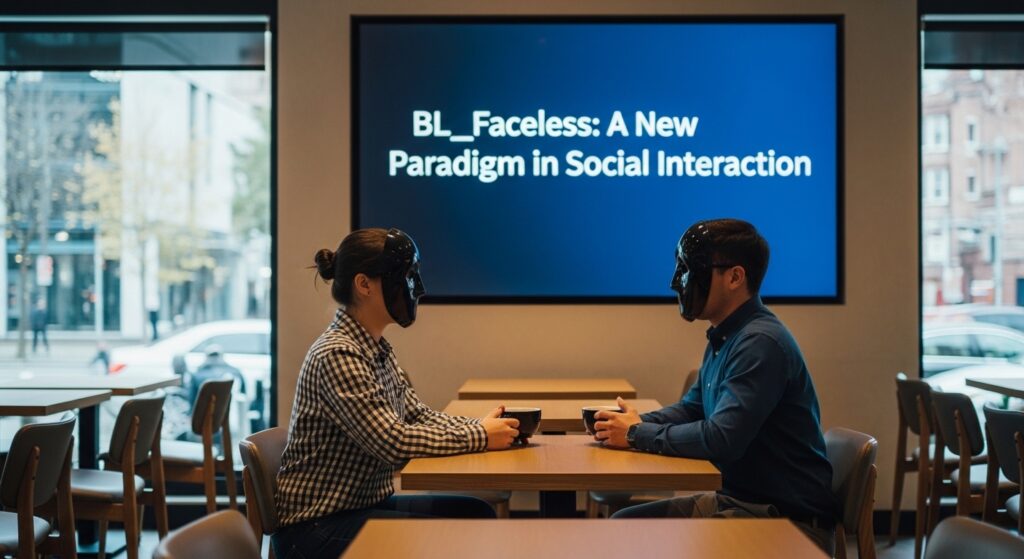
The term BL_Faceless primarily refers to an approach in which individuals engage in online interactions without revealing their true identities. This facelessness serves multiple purposes, from providing a sense of freedom to explore one’s identity without societal constraints to affording individuals protection from potential repercussions in their personal lives.
This phenomenon has roots in various online spaces, including forums, social media, and multiplayer gaming environments. The BL_Faceless movement encourages users to consider who they are beyond the constraints of their physical appearances, social statuses, or pre-existing reputations. Through this lens, individuals can interact with others based solely on their ideas, skills, or contributions.
The Psychological Implications
The motivations behind adopting a BL_Faceless identity are multifaceted and deeply intertwined with psychological aspects of self-perception and social interaction. Many users turn to facelessness as an escape from the pressures of societal judgments and expectations. Online anonymity allows individuals to express their thoughts and opinions without fearing retribution or ostracization. This can lead to more honest discussions and the sharing of diverse viewpoints, enriching the overall discourse within online communities.
However, the psychological implications of this identity exploration are not entirely positive. Anonymity can foster antisocial behavior, including harassment and cyberbullying. The lack of accountability that comes with being faceless can embolden individuals to engage in behaviors they might refrain from in face-to-face interactions. Thus, while BL_Faceless can promote liberation and authenticity, it also poses significant challenges regarding accountability and moral responsibility in digital spaces.
Cultural Perceptions of Anonymity
The cultural perception of faceless identities varies significantly across different societies. In collectivist cultures, where group identity often takes precedence over individual identity, the BL_Faceless approach may be met with skepticism. The emphasis on community values can clash with the notion of anonymity, as individuals may feel a social obligation to represent their communities honestly and transparently.
Conversely, in individualistic societies, the BL_Faceless movement has been more warmly embraced. Here, personal freedom and expression are paramount, making anonymity a powerful tool for self-exploration. Many individuals seek to liberate themselves from societal constraints, using faceless identities as a means to experiment with their personas, engage in activism, or explore topics that may be taboo in their daily lives.
The Role of Technology in Facilitating BL_Faceless Interactions
Advancements in technology and social media have profoundly influenced the prevalence and acceptance of faceless identities. Anonymity is embedded in various online platforms, allowing individuals to create pseudonymous accounts or avatars, thereby facilitating the BL_Faceless experience. Technologies such as Virtual Reality (VR) and Augmented Reality (AR) further enhance this experience by providing immersive environments where individuals can interact without revealing their true selves.
The rise of decentralized platforms and blockchain technology has also contributed to the BL_Faceless movement by allowing users to engage without the need for traditional forms of identification. These innovations empower individuals to construct identities based solely on their online engagements, challenging conventional notions of what constitutes a societal persona.
Ethical Considerations of BL_Faceless Engagement
As the BL_Faceless identity continues to evolve, ethical considerations surrounding its use become increasingly significant. The duality of anonymity—freedom and potential harm—raises questions about the responsibilities of individuals who engage in faceless interactions. Striking a balance between allowing true self-expression and maintaining a safe and respectful online environment is essential.
Platforms must implement measures to address harassment and harmful behavior while respecting users’ rights to anonymity. This requires thoughtful policy development, incorporating community guidelines and mechanisms for reporting abuse. Moreover, it prompts a broader dialogue about the role of technology companies in shaping social norms around anonymity and accountability.
Conclusion
The phenomenon of BL_Faceless represents a complex tapestry of identity exploration, psychological implications, and cultural perceptions, all facilitated by technological advancements. While it offers unique opportunities for self-expression and liberation from societal constraints, it also poses ethical dilemmas regarding accountability and the potential for harm. As society continues to navigate the challenges and opportunities presented by faceless identities, it remains crucial to foster an environment that respects individual expression while promoting a responsible and healthy digital discourse. As we move forward, understanding and embracing the nuances of BL_Faceless will be essential in shaping our collective digital future.