
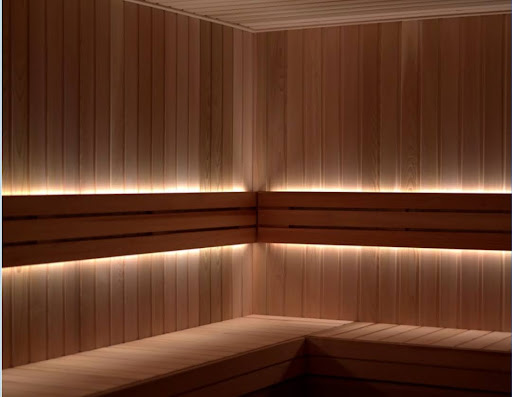
Life in modern cities is fast-paced, demanding and often mentally and physically draining. Many people are searching for effective ways to slow down, recover and restore balance amid busy schedules and constant digital stimulation. In this context, experiences such as traditional sauna in Sydney CBD by RCVRI are gaining attention as accessible wellness practices that support relaxation and overall well-being. Traditional sauna therapy offers more than warmth and comfort. It provides a structured way to disconnect from stress and reconnect with physical and mental calm.
The Impact of Urban Living on Well-Being
Urban environments offer convenience, opportunity and vibrant social experiences, but they also place unique pressures on the body and mind. Long working hours, commuting, screen exposure and limited time for rest can contribute to chronic stress, fatigue and reduced physical comfort.
Over time, these factors affect sleep quality, muscle tension and emotional balance. Many people feel constantly stimulated but rarely restored. As a result, there is increasing interest in wellness practices that encourage genuine relaxation rather than temporary distraction. Traditional sauna therapy aligns with this need by creating a physical and mental space where the body can slow down and recalibrate.
What Traditional Sauna Therapy Involves
Traditional sauna therapy uses dry heat to raise body temperature in a controlled environment. Unlike modern infrared systems that target the body directly, traditional saunas heat the surrounding air, creating a warm atmosphere that gradually envelops the body.
As the temperature rises, the body responds by increasing circulation and inducing perspiration. This natural physiological response is associated with relaxation and a sense of release from tension. Sessions are typically followed by cooling periods, hydration and rest, allowing the body to return to equilibrium. The simplicity of this process is part of its appeal. Traditional sauna therapy does not require complex techniques or equipment from the user, making it accessible to people with diverse lifestyles and wellness goals.
How Heat Promotes Physical Relaxation
Heat plays a powerful role in easing physical tension. When muscles are exposed to warmth, they tend to relax, which can reduce stiffness and discomfort. Improved circulation delivers oxygen and nutrients to tissues, supporting recovery from daily physical strain.
For people who spend long hours sitting, standing or performing repetitive tasks, muscle tightness is a common issue. Traditional sauna therapy helps counteract this tension by encouraging muscles to release built-up stress. This physical relaxation often translates into a broader sense of comfort and ease, which many users find difficult to achieve through rest alone.
Mental and Emotional Benefits of Sauna Sessions
The benefits of traditional sauna therapy extend beyond the physical body. The warm, quiet environment encourages mental stillness and a break from constant stimulation. During a sauna session, external distractions are reduced. Phones, emails and notifications are typically set aside, allowing the mind to slow down. This shift in mental pace can reduce feelings of overwhelm and promote clarity.
Many people describe sauna sessions as a form of mindfulness, even without deliberate meditation. The focus on bodily sensations and breathing naturally draws attention away from stressors and toward the present moment.
Supporting Stress Management in Urban Life
Stress is a defining feature of urban living. While some stress can be motivating, prolonged stress affects both mental and physical health. Traditional sauna therapy provides a structured opportunity to interrupt stress cycles.
By creating a dedicated time for rest and warmth, sauna sessions signal the body to move from a state of alertness to a state of relaxation. This shift supports the nervous system and can improve overall emotional balance. For professionals, students and individuals managing multiple responsibilities, regular sauna sessions can become a reliable way to decompress and reset.
The Role of Routine in Sustainable Well-Being
One reason traditional sauna therapy is effective for urban populations is its compatibility with routine. Unlike wellness practices that require significant time or lifestyle changes, sauna sessions can be integrated into weekly schedules without major disruption.
Consistency plays an important role in long-term well-being. When sauna therapy becomes part of a routine, its benefits accumulate gradually. Over time, individuals may notice improved sleep, reduced muscle tension and a greater sense of calm in daily life. The predictability of a sauna routine also provides psychological comfort, offering a regular pause from the pressures of urban environments.
Enhancing Social and Personal Connection
Traditional sauna culture has historically been associated with community and shared experiences. In modern settings, sauna spaces can still foster a sense of connection, whether through shared environments or personal reflection.
Some people value the social aspect of wellness spaces, while others appreciate the opportunity for solitude. Traditional sauna therapy accommodates both preferences, making it adaptable to different personality types and social needs. In urban contexts, where meaningful downtime is often scarce, this flexibility adds to the appeal of sauna experiences.
Complementing Other Wellness Practices
Traditional sauna therapy is often most effective when combined with other healthy habits. Movement, hydration, balanced nutrition and adequate sleep all contribute to well-being.
Sauna sessions can enhance these habits by supporting recovery after physical activity, encouraging relaxation before sleep and reinforcing the importance of intentional rest. Rather than replacing other wellness practices, traditional sauna therapy acts as a catalyst that amplifies their effects. This integrative role makes sauna therapy particularly relevant for people seeking holistic approaches to health rather than isolated solutions.
Accessibility in City Environments
Urban residents often prioritise convenience when choosing wellness services. Traditional sauna facilities located within city centres make it easier for people to incorporate relaxation into their routines without extensive travel or time commitments.
Accessibility reduces barriers to self-care. When wellness experiences are located near workplaces or residential areas, individuals are more likely to engage with them consistently. This practical factor contributes significantly to the growing popularity of traditional sauna therapy in metropolitan areas.
Long-Term Implications for Urban Well-Being
As cities continue to grow and lifestyles become increasingly digital, the need for physical and mental restoration will become even more pronounced. Traditional sauna therapy offers a counterbalance to the intensity of modern urban life.
By supporting relaxation, circulation and emotional balance, sauna sessions contribute to a more sustainable approach to well-being. Rather than reacting to stress only when it becomes overwhelming, individuals can use sauna therapy proactively to maintain equilibrium. Over time, this proactive approach can influence how people experience urban life, transforming it from a source of constant pressure into a manageable and fulfilling environment.
Conclusion
Traditional sauna therapy offers a meaningful way to support relaxation and urban well-being in an increasingly fast-paced world. Through warmth, stillness and intentional rest, it addresses both physical tension and mental fatigue.
For individuals exploring structured wellness experiences, options such as traditional sauna in Sydney CBD by RCVRI demonstrate how traditional practices can be adapted to modern city lifestyles. By integrating sauna sessions into regular routines, urban residents can cultivate deeper relaxation, improved comfort and a more balanced relationship with the demands of daily life.