
Blocked toilets are one of the most common plumbing problems in residential homes. While the issue can sometimes be resolved quickly, recurring blockages often indicate underlying problems within the plumbing system. Many homeowners search for a how to fix a blocked toilet Sydney guide when faced with a clogged toilet, hoping to understand the cause and find practical solutions.
Understanding why toilets become blocked is the first step toward preventing future problems. With the right knowledge and maintenance habits, homeowners can reduce the likelihood of toilet blockages and keep their plumbing systems functioning properly.
Excessive Toilet Paper Use
One of the most frequent causes of toilet blockages is excessive toilet paper. While toilet paper is designed to dissolve in water, flushing large amounts at once can overwhelm the plumbing system. When too much paper accumulates in the toilet trap or pipes, it can form a thick mass that restricts water flow. This often results in slow flushing, rising water levels, or a complete blockage. To prevent this issue, it is best to flush moderate amounts of toilet paper and avoid flushing large bundles at once.
Flushing Non-Flushable Items
Toilets are designed to handle only human waste and toilet paper. However, many people accidentally flush items that do not break down easily in water.
Common non-flushable items include:
- Wet wipes and baby wipes
- Paper towels
- Sanitary products
- Cotton buds
- Dental floss
- Tissues
These materials can easily become trapped in pipes and cause blockages. Over time, they may accumulate and create a large obstruction within the drainage system. Using a bathroom waste bin for these items can help prevent plumbing issues.
Hair and Debris Buildup
Hair and other small debris can also contribute to toilet blockages. Hair often combines with soap residue and other waste materials to form clumps inside the pipes. These clumps can gradually build up and reduce the pipe’s internal diameter, making it easier for additional materials to become trapped. Keeping bathroom areas clean and disposing of hair properly can help reduce the risk of this type of blockage.
Low Water Pressure During Flushing
In some cases, toilet blockages are not caused by debris but by insufficient water pressure during flushing. Toilets rely on a strong flow of water to push waste through the trap and into the drainage system. If the water level in the cistern is too low, the flush may not generate enough force to clear the bowl completely. This can allow waste to remain in the trap and gradually form a blockage. Adjusting the cistern water level or repairing faulty components can help restore proper flushing performance.
Tree Root Intrusion in Drain Pipes
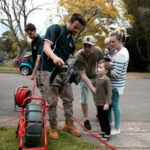
Tree roots are another common cause of plumbing blockages, especially in older drainage systems. Roots naturally seek out moisture and can grow into small cracks or joints in underground pipes. Once inside the pipe, the roots expand and trap debris flowing through the drain. Over time, this can cause significant blockages that affect multiple plumbing fixtures within the home. Professional plumbers often use specialised equipment such as drain cameras and high pressure water jetting to remove root intrusions and restore proper drainage.
Foreign Objects Accidentally Flushed
Toilets can also become blocked when foreign objects are accidentally flushed. This is particularly common in homes with young children who may drop toys or other items into the toilet. Objects such as small plastic items, cleaning wipes, or hygiene products can easily become lodged within the trap or drain pipe. These blockages often require professional tools to remove safely without damaging the plumbing system.
Preventative Habits for Avoiding Toilet Blockages
Preventing toilet blockages often comes down to simple daily habits. Homeowners can reduce the risk of plumbing issues by being mindful of what goes down the toilet.
Helpful preventative practices include:
- Flushing only toilet paper and human waste
- Avoiding the disposal of wipes and hygiene products in the toilet
- Using moderate amounts of toilet paper
- Keeping bathroom waste bins available
- Monitoring water levels in the cistern
These habits help ensure the plumbing system continues operating efficiently.
Regular Plumbing Maintenance
Regular plumbing inspections can also help prevent recurring toilet blockages. Professional plumbers can check drainage systems for early signs of buildup, pipe damage, or root intrusion. Routine maintenance helps identify problems before they lead to severe blockages or plumbing emergencies. Homeowners who invest in preventative plumbing services often experience fewer plumbing disruptions and longer lasting systems.
When to Call a Professional Plumber
While some toilet blockages can be resolved with simple tools such as plungers, persistent problems may require professional assistance. If toilets clog frequently, multiple drains begin backing up, or unpleasant odours appear from drains, the issue may be located deeper within the plumbing system. Professional plumbers have specialised tools and diagnostic equipment that allow them to locate and remove stubborn blockages safely.
Conclusion
Blocked toilets are a common household issue, but they often result from preventable causes such as excessive toilet paper, non-flushable items, or debris buildup inside pipes. Understanding these causes can help homeowners adopt better habits that reduce the risk of blockages.
Simple preventative practices, combined with regular plumbing maintenance, can keep toilets functioning properly and prevent costly plumbing repairs. When blockages become persistent or severe, professional plumbing services can diagnose the problem and restore reliable drainage. Taking proactive steps to care for your plumbing system helps ensure a safe and comfortable home environment.