
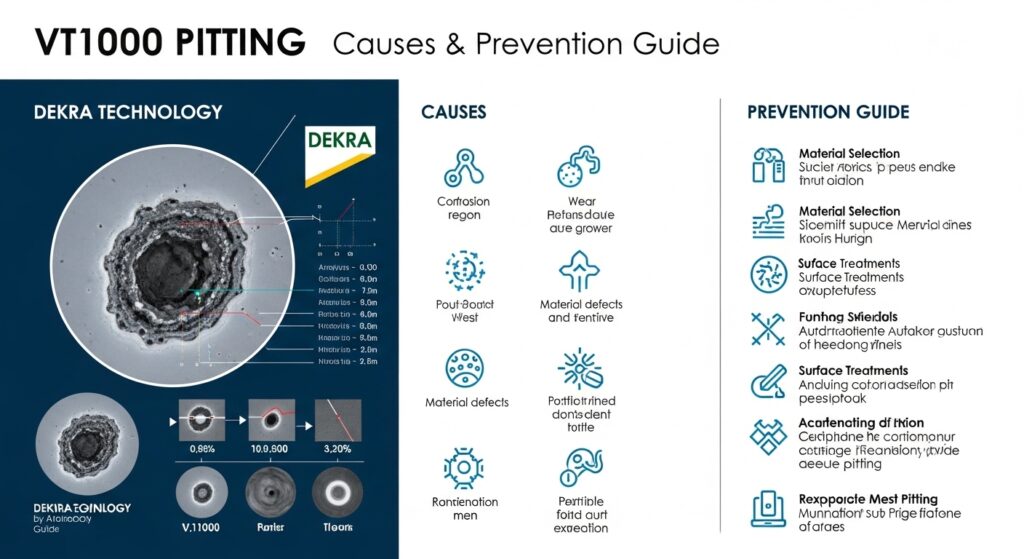
In industrial inspection and surface quality control, VT1000 pitting is a term associated with defect detection systems used in evaluating material surfaces—especially metals. When paired with inspection technologies like those used in DEKRA Technology environments, VT1000-related systems help identify surface irregularities such as pitting corrosion, micro-holes, and structural degradation.
This guide explains VT1000 pitting, its causes, how inspection systems work, and effective prevention strategies.
What is VT1000 Pitting?
VT1000 pitting refers to the detection or classification of small, localized cavities (pits) on a material’s surface using VT1000-grade visual or automated inspection systems.
Pitting is commonly found in:
- Metals (steel, aluminum, alloys)
- Pipelines
- Industrial machinery components
- Automotive and aerospace parts
These pits are often microscopic but can lead to serious structural weakness over time.
Role of DEKRA Technology in Inspection
DEKRA Technology is known for advanced testing, inspection, and certification services. In industrial quality assurance, systems like VT1000 may be used alongside DEKRA inspection standards to:
- Detect surface defects early
- Ensure compliance with safety regulations
- Evaluate material durability
- Prevent equipment failure
This combination improves reliability in high-risk industries such as automotive, aerospace, and manufacturing.
What Causes VT1000 Pitting?
Pitting corrosion or surface pitting detected by VT1000 systems can occur due to several factors:
1. Corrosion Exposure
Moisture, oxygen, and chemicals react with metal surfaces, forming localized corrosion points.
2. Chloride Contamination
Salt and chloride ions (common in marine or road environments) accelerate pitting in metals like stainless steel.
3. Surface Damage
Scratches or manufacturing defects can become initiation points for pits.
4. Poor Material Quality
Low-grade alloys or improperly treated metals are more prone to pitting.
5. Electrical or Chemical Imbalance
Electrochemical reactions in industrial systems can lead to localized surface breakdown.
How VT1000 Systems Detect Pitting
VT1000 inspection systems typically use advanced technologies such as:
1. High-Resolution Imaging
Captures detailed surface visuals to identify micro-defects.
2. Automated Defect Recognition
AI or algorithm-based systems classify and flag pitting areas.
3. Surface Scanning Technology
Laser or optical scanning detects irregular surface depth.
4. Data Analysis Tools
Collected data is analyzed to measure severity and spread of pitting.
Effects of Pitting on Materials
Pitting may seem minor, but it can cause serious problems:
- Reduced structural strength
- Unexpected material failure
- Leakage in pipelines
- Increased maintenance costs
- Safety hazards in critical systems
Prevention Strategies for Pitting
1. Protective Coatings
Applying anti-corrosion coatings helps block environmental exposure.
2. Regular Inspection
Using VT1000 or similar systems ensures early detection of surface issues.
3. Material Selection
Using corrosion-resistant alloys reduces risk significantly.
4. Environmental Control
Limiting exposure to moisture, salt, and chemicals helps preserve surfaces.
5. Cathodic Protection
In industrial systems, electrical protection methods prevent electrochemical corrosion.
Industrial Applications of VT1000 Pitting Detection
1. Automotive Industry
Used to inspect engine parts, chassis, and metal components.
2. Aerospace Engineering
Ensures aircraft components meet strict safety standards.
3. Oil & Gas Pipelines
Detects corrosion inside and outside pipelines.
4. Manufacturing Plants
Maintains quality control of metal products.
Why VT1000 Pitting Detection Matters
Early detection of pitting is crucial because:
- It prevents costly equipment failure
- It improves safety in critical systems
- It extends product lifespan
- It ensures compliance with industrial standards
Systems like VT1000 help industries move from reactive repairs to preventive maintenance.
Challenges in Pitting Detection
- Micro-pits can be difficult to detect without advanced tools
- Environmental conditions may affect accuracy
- Requires skilled interpretation of inspection data
- High-end systems can be costly
Future of Pitting Detection Technology
With advancements in AI and automation, future systems may include:
- Real-time predictive corrosion analysis
- Drone-based surface scanning
- AI-powered defect forecasting
- Fully automated industrial inspection lines
This will make systems like VT1000 even more precise and efficient.
Conclusion
VT1000 pitting detection, especially when associated with DEKRA Technology standards, plays a vital role in modern industrial inspection. By identifying early-stage corrosion and surface defects, it helps industries maintain safety, efficiency, and long-term durability.
Understanding the causes and prevention of pitting is essential for reducing risk and ensuring high-performance material integrity across various sectors.
FAQ’s
1. What is VT1000 pitting?
It refers to the detection of small surface pits or corrosion using VT1000 inspection systems.
2. What causes pitting in metals?
Moisture, chlorides, corrosion, and poor material quality are common causes.
3. How does DEKRA Technology relate to this?
DEKRA provides inspection and certification standards that may use advanced defect detection systems.
4. Why is pitting dangerous?
It weakens materials and can lead to structural failure over time.
5. How can pitting be prevented?
Through coatings, inspections, proper materials, and environmental protection.