
Introduction
The concept of the szukkubusz, often anglicized as “succubus,” has intrigued humanity for centuries. Rooted in folklore, mythology, and later in religious texts, this figure embodies the intersection of desire, fear, and morality. Understanding the origins, meanings, and history of the szukkubusz provides not only a glimpse into ancient beliefs but also into human psychology and societal norms across different cultures.
What is Szukkubusz?
The term szukkubusz originates from the Latin word succuba, meaning “to lie under,” referring to the demon’s nocturnal visits to humans. Historical texts suggest that beliefs in such entities existed long before the Latin terminology became widespread.
- Ancient Mesopotamia: Some of the earliest accounts of female demonic entities date back to Mesopotamian myths, where spirits like Lilu or Lilitu were believed to seduce men during sleep.
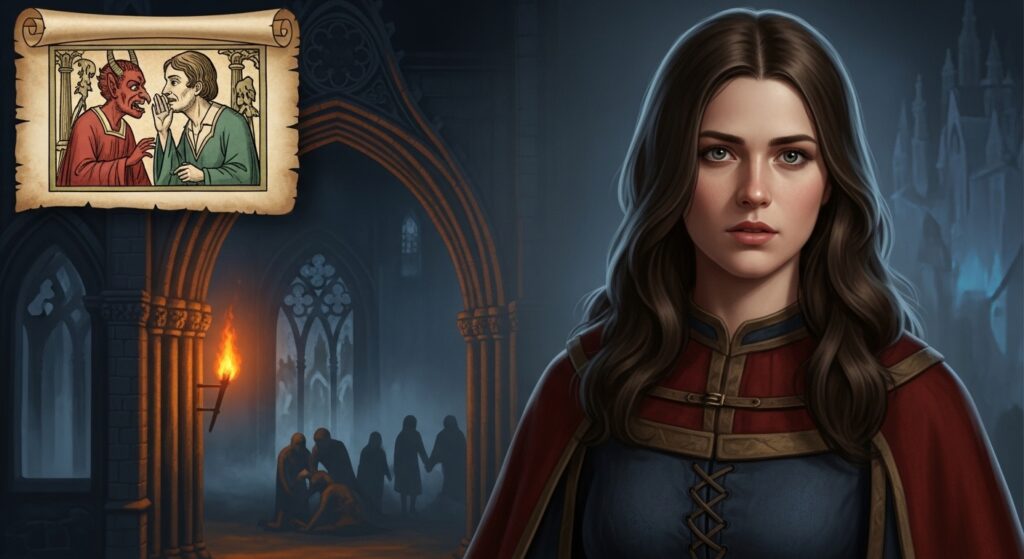
- Medieval Europe: During the Middle Ages, the szukkubusz became strongly associated with Christian demonology, often depicted as a seductive female demon who would visit men at night to drain their life force or corrupt them morally.
This evolution of the szukkubusz reflects societal attitudes toward sexuality, temptation, and the supernatural.
Folklore Meaning and Symbolism
In folklore, the szukkubusz represents several key ideas:
- Seduction and Desire: Traditionally, the szukkubusz was portrayed as irresistibly attractive, using sexual allure to manipulate men.
- Danger and Warning: Folktales often served as moral warnings, cautioning against lust, infidelity, or moral weakness.
- Psychological Projection: Some scholars argue that szukkubusz legends may symbolize internal human desires, anxieties, and fears manifested through stories.
The szukkubusz is not purely evil in all tales; in some narratives, she can form romantic attachments or even be portrayed as tragic, emphasizing the complexity of human emotions.
Historical Accounts and Depictions
Throughout history, the szukkubusz has appeared in various cultures:
- Medieval Texts: Religious manuscripts describe szukkubusz encounters as dangerous to a man’s spiritual and physical health. Confessions from the Inquisition often included claims of demonic seduction, reflecting the intense fear surrounding female sexuality and supernatural forces.
- Renaissance Art and Literature: Artists and writers depicted szukkubusz figures in illustrations, poetry, and plays, often emphasizing their seductive nature. These representations highlighted cultural anxieties about desire and morality.
- Modern Interpretations: Today, the szukkubusz appears in literature, games, and pop culture as a complex character, sometimes villainous, sometimes sympathetic, and often a symbol of empowerment and taboo exploration.
Szukkubusz in Popular Culture
The szukkubusz has transitioned from folklore into contemporary media:
- Books and Fantasy Novels: Authors often reinterpret the szukkubusz, blending folklore with fantasy, creating characters with depth beyond traditional evil archetypes.
- Video Games and Anime: Many games and anime series feature szukkubusz characters, emphasizing allure, strength, and mystical powers, sometimes turning ancient fears into entertainment.
- Movies and TV Shows: The archetype persists in horror and supernatural genres, representing temptation, danger, and forbidden desire.
These modern interpretations show the enduring fascination with the szukkubusz and its ability to evolve with cultural narratives.
Lessons from the Szukkubusz Myth
The szukkubusz myth provides several insights:
- Cultural Reflection: Beliefs about the szukkubusz mirror societal attitudes toward sexuality, gender roles, and morality.
- Psychological Insight: These stories may express subconscious fears and desires, offering a window into human psychology.
- Adaptation and Evolution: The continued presence of the szukkubusz in modern media demonstrates how folklore adapts over time while retaining its symbolic power.
FAQ’s
Q1: Is a szukkubusz real?
A: There is no scientific evidence supporting the existence of szukkubusz entities. They are primarily mythological and symbolic, reflecting human fears and desires.
Q2: What is the male counterpart of a szukkubusz?
A: The male counterpart is called an incubus, a demon believed to seduce women at night.
Q3: Why are szukkubusz’s stories mostly about women?
A: Historically, these stories reflect societal anxieties around female sexuality, often portraying women as sources of temptation and moral danger.
Q4: How did szukkubusz’s legends influence culture?
A: They influenced religious doctrine, art, literature, and modern media, shaping perceptions of morality, sexuality, and supernatural belief.
Q5: Can szukkubusz’s symbolism have positive meanings?
A: Yes, in modern interpretations, szukkubusz’s characters can represent empowerment, liberation, and the complexity of desire rather than purely evil intent.