
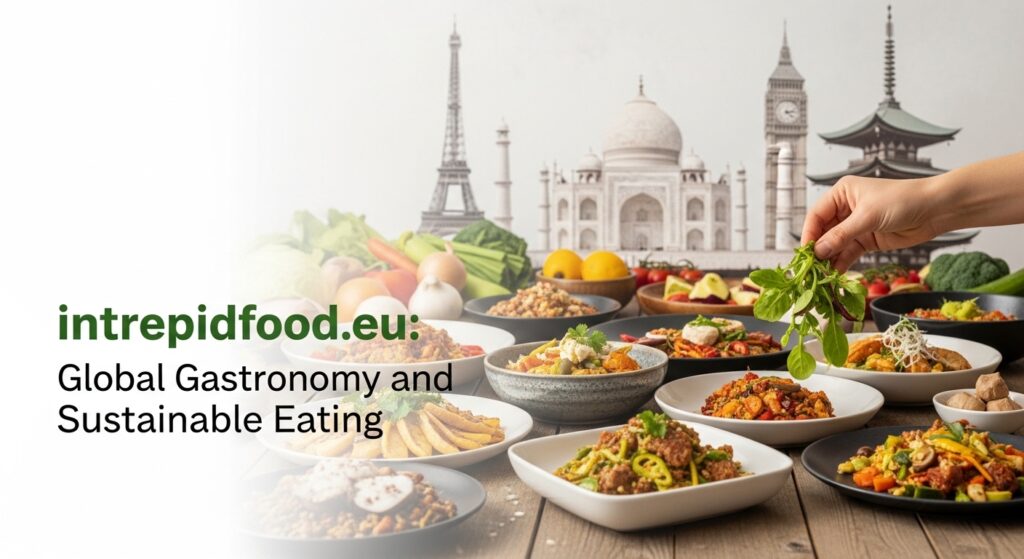
The modern food landscape is changing faster than a chef can whip up a souffle. We no longer just eat to live; we eat to explore, to sustain the planet, and to connect with cultures thousands of miles away. In the middle of this culinary evolution, platforms like intrepidfood.eu have emerged as vital hubs for those who view food as an adventure rather than a chore. Whether you are a home cook looking to spice up your weekly meal prep or a sustainability advocate wanting to reduce your carbon footprint, understanding the intersection of global flavors and ethical consumption is key.
What is the Philosophy Behind Modern Food Exploration?
To understand the rise of digital culinary authorities, we have to look at how our relationship with the kitchen has shifted. Historically, recipes were passed down through local traditions. Today, the world is our pantry. We are seeing a massive surge in “intrepid” eating—a movement defined by a willingness to experiment with unfamiliar ingredients and a commitment to sourcing food that doesn’t harm the environment.
Read Also: Exploring Bblog.uk: Your Ultimate Guide To Beauty And Lifestyle
This isn’t just about trying a new hot sauce. It’s about the “farm-to-fork” transparency that modern consumers demand. People want to know the story behind their steak, the origin of their coffee beans, and the environmental impact of their seafood. This curiosity is what drives the community at intrepidfood.eu and similar digital spaces.
Mastering the Art of Global Flavors with Intrepidfood.eu
Navigating the world of international cuisine can feel overwhelming if you don’t have a roadmap. The goal is to move beyond “fusion” and toward “authenticity with a twist.” When you dive into the resources provided by intrepidfood.eu, the focus is often on balancing the five basic tastes—sweet, sour, salty, bitter, and umami—while using high-quality, ethically sourced ingredients.
Essential Pantry Staples for the Bold Cook
If you want to transform your kitchen into a global laboratory, you need more than just salt and pepper. Here are a few must-haves:
-
Miso Paste: For that deep, savory umami in everything from soups to marinades.
-
Harissa: A North African chili paste that adds heat and complexity.
-
Preserved Lemons: Perfect for brightening up stews and grain bowls.
-
High-Quality Olive Oil: The backbone of Mediterranean cooking.
The Role of Sustainability in Today’s Kitchen
We cannot talk about food today without talking about the planet. The “intrepid” spirit isn’t just about boldness in flavor; it’s about boldness in ethics. Sustainable eating involves making choices that consider the long-term health of our ecosystems.
1. Seasonal Eating
Eating with the seasons reduces the energy required for transportation and greenhouse cultivation. It also ensures you are getting the most nutrient-dense version of your food.
2. Reducing Food Waste
The modern chef looks at a carrot top and sees pesto, not trash. Utilizing every part of the ingredient—from bone broths to vegetable scraps for composting—is a hallmark of a sophisticated kitchen.
3. Supporting Small-Scale Producers
By choosing local farmers or specialized distributors, you ensure that your money stays within the community and supports biodiversity rather than industrial monocultures.
Practical Examples of Intrepid Cooking
How do you apply these grand concepts to a Tuesday night dinner? Let’s look at two practical examples:
-
The Zero-Waste Grain Bowl: Instead of buying a pre-packaged salad, use leftover quinoa, roast those slightly wilted veggies in the back of the fridge with some smoked paprika, and top it with a dressing made from the last bit of tahini in the jar.
-
The Ethical Seafood Stew: Source mussels or clams (which are generally low-impact and highly sustainable) and simmer them in a broth of coconut milk, ginger, and lemongrass. It’s a restaurant-quality meal that respects the ocean.
Pros and Cons of the Global Culinary Approach
| Pros | Cons |
| Cultural Education: You learn about history and traditions through taste. | Ingredient Accessibility: Some authentic items can be hard to find locally. |
| Health Benefits: Diverse diets often include more fiber and phytonutrients. | Learning Curve: New techniques (like fermentation) take time to master. |
| Sustainability: Focuses on better sourcing and less waste. | Cost: High-quality, ethical ingredients can sometimes be pricier. |
Common Mistakes to Avoid
Even the most seasoned foodies stumble. If you’re following the trends set by intrepidfood.eu, watch out for these pitfalls:
-
Over-complicating the Dish: Sometimes, the best way to honor a high-quality ingredient is to do as little to it as possible. Don’t let 20 spices mask the flavor of a fresh heirloom tomato.
-
Ignoring the Source: Buying “organic” from a massive corporation isn’t always better than buying “conventional” from a neighbor you trust. Look deeper into the supply chain.
-
Fearing Failure: If a fermented batch of kraut goes bad or a souffle falls, it’s a lesson. The “intrepid” path is paved with a few burnt pans.
Best Practices for the Modern Foodie
To truly excel in this new era of gastronomy, consistency is your best friend. Follow these guidelines to stay ahead:
-
Invest in Quality Tools: A sharp chef’s knife and a heavy cast-iron skillet will do more for your cooking than ten cheap gadgets.
-
Read Labels Like a Pro: Look for certifications like Fair Trade, MSC (for seafood), and Regenerative Organic.
-
Document Your Journey: Keep a kitchen journal. Note what worked, what didn’t, and where you sourced that incredible saffron.
-
Engage with the Community: Whether it’s through forums or local cooking classes, sharing knowledge is how culinary cultures thrive.
The Future of Food: What’s Next?
The digital space will continue to play a massive role in this. Websites like intrepidfood.eu serve as the bridge between complex global issues and the simple act of preparing a meal. By staying informed and remaining curious, we can all contribute to a food system that is as delicious as it is durable.
Conclusion
Embracing the world of intrepidfood.eu means more than just following recipes; it’s about adopting a mindset of curiosity and responsibility. By exploring global flavors, prioritizing sustainability, and avoiding common culinary traps, you transform your kitchen into a space of innovation. The journey of a thousand miles begins with a single bite—make sure it’s a bite that tells a story you’re proud of.
FAQ’s
1. What does it mean to be an “intrepid” eater?
An intrepid eater is someone who seeks out diverse, often unconventional culinary experiences, focuses on authentic global flavors, and prioritizes ethical and sustainable food sourcing.
2. How can I find authentic ingredients for international recipes?
Look for local ethnic grocery stores, specialized online importers, or community-supported agriculture (CSA) programs that focus on heirloom and international varieties.
3. Is sustainable eating more expensive?
While some organic products cost more, sustainable eating often involves reducing meat consumption and minimizing waste, which can actually lower your overall grocery bill over time.
4. How do platforms like intrepidfood.eu help home cooks?
They provide curated information on global food trends, sourcing guides, and techniques that help cooks move beyond basic recipes into more creative and responsible gastronomy.
5. What is the best way to start reducing food waste?
Start by meal planning to avoid over-buying, learning how to properly store produce, and finding creative ways to use “scraps” like bones, peels, and stems.