
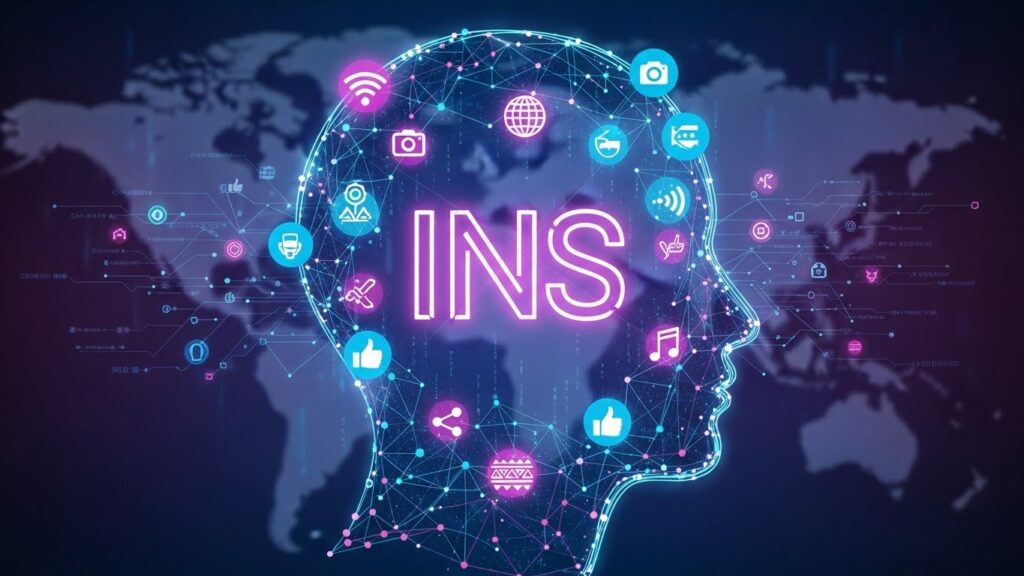
In the rapidly evolving digital world, language is no longer limited to traditional definitions. New words and symbols emerge daily, shaped by online behavior, creativity, and identity. One such emerging term is ins. Though short and minimal, ins has become a meaningful symbol in modern digital culture, representing how individuals express who they are in online spaces.
ins is gaining attention because it aligns perfectly with how people communicate today—quickly, visually, and emotionally. As social platforms prioritize personal branding and authenticity, ins offers a compact way to signal individuality and presence. It reflects a shift from long explanations toward symbolic self-representation.
Understanding evolving internet language like ins is important because it reveals how digital communities think, connect, and define themselves. These expressions are not random trends; they are cultural indicators that show how identity is being reshaped in the online era.
The Meaning of ins in Modern Context
At its core, ins’s represents digital identity and personal expression. Rather than pointing to one fixed meaning, ins acts as a flexible marker that adapts to the intent of the user. It can imply confidence, authenticity, creativity, or simply presence in an online environment.
The meaning of ins changes based on context. In a bio, it may represent individuality. In a caption, it can signal emotion or self-awareness. In a hashtag, it may indicate participation in a broader cultural movement. This adaptability is what gives ins its strength.
Unlike traditional words found in dictionaries, ins functions more like a symbol. It gains meaning through usage rather than definition. This symbolic nature allows users to shape it freely, making it both personal and universally understood within digital communities.
Linguistic Roots and Evolution of ins
The concept behind ins is deeply connected to historical ideas of humanity and identity. Linguistically, it traces back to roots associated with the meaning “human” or “person,” particularly in Arabic and Turkish language traditions. These origins emphasize awareness, existence, and individuality.
In Turkish, related words reflect human presence and consciousness, while Arabic roots connect ins to beings capable of thought and emotion. These foundations give the term philosophical depth, even as it appears simple on the surface.
Through internet communication, ins evolved from linguistic meaning into cultural expression. Digital platforms accelerated this transformation by encouraging shortened, visually distinct terms. Over time, ins shifted from a linguistic concept to a modern identity symbol shaped by online interaction.
The Rise of ins in Digital Culture
Digital culture thrives on creativity and speed. Online communities constantly experiment with language, reshaping words to match new forms of expression. ins emerged from this environment as users searched for ways to express identity without lengthy explanations.
Gen Z and Millennials played a key role in popularizing ins. Growing up online, these generations value authenticity and symbolic communication. They prefer expressions that feel natural, adaptable, and emotionally real—qualities that ins embodies.
Fast-paced platforms like TikTok, Instagram, and online forums further fueled its rise. Short captions, quick scrolling, and visual impact made compact identity markers more powerful than long descriptions. ins fit perfectly into this digital rhythm.
Visual and Symbolic Power of “i̇”
One of the most distinctive features of ins is the dotted “i̇”. Visually, it immediately stands out from standard English text. This small detail adds uniqueness and draws attention in crowded digital feeds.
From a branding perspective, visual distinction matters. The dotted letter creates memorability and aesthetic appeal, making ins visually recognizable even at a glance. It helps users stand out while maintaining simplicity.
The use of “i̇” also gives ins a global and multicultural feel. It reflects linguistic diversity and reinforces the idea that digital identity transcends borders. This visual symbolism contributes to its widespread appeal across different cultures and communities.
How ins Is Used on Social Media
Social media platforms are the primary spaces where ins comes to life. Users incorporate it into their online presence in creative and intentional ways. Common uses include profile bios, short captions, and hashtags that reflect personal identity.
In bios, ins acts as a personal branding marker, signaling confidence and individuality. In captions, it may highlight authenticity or emotional honesty. As a hashtag, it connects users to broader cultural conversations and shared values.
Beyond individual use, ins also functions as a community signal. When people use it, they recognize others who share similar digital attitudes. This creates a sense of belonging while still allowing each user to express uniqueness within the trend.
ins as an Acronym and Creative Expression
One of the most fascinating aspects of ins is how internet communities reshape it into acronyms. These interpretations are not fixed or official; instead, they reflect creativity and personal perspective. Popular expansions include ideas related to identity, networking, influence, and digital presence.
This flexibility highlights how internet language works. Meaning is not dictated by rules but formed through usage. Users give ins significance by how and where they apply it. In one context, it may represent individuality; in another, connection or self-awareness.
ins is a clear example of community-driven language creation. Rather than emerging from institutions or dictionaries, its meaning evolves through shared digital experience. This collective authorship strengthens its cultural value.
Psychological Meaning Behind ins
From a psychological perspective, ins connects strongly to digital self-expression. Online environments often pressure individuals to present idealized versions of themselves. ins offers a way to express identity in a more personal and flexible form.
Using ins helps individuals feel seen and recognized. It communicates presence without overexplanation, fulfilling the human need for acknowledgment. When others recognize or use the same symbol, it reinforces belonging within a shared digital culture.
Emotionally, ins creates connection in spaces that can feel impersonal. It adds warmth to digital interaction, reminding users that real people exist behind screens, profiles, and algorithms.
Cultural Importance of ins
ins reflects modern human behavior in a digital-first world. As communication becomes faster and more visual, people rely on symbols rather than long expressions. ins fits this shift perfectly by representing complex identity through simplicity.
Language is no longer just spoken or written—it is designed, styled, and symbolized. ins shows how words evolve into cultural markers that carry meaning beyond grammar.
At the same time, ins balances individuality with community. Users express personal identity while participating in a shared cultural signal, demonstrating how modern culture values both uniqueness and belonging.
ins in Branding and Digital Marketing
Brands increasingly seek to connect emotionally with audiences rather than simply promote products. ins resonates with this approach because it represents authenticity, identity, and human connection.
Modern marketing trends focus on:
- Real stories instead of polished perfection
- Community engagement over mass messaging
- Symbolic branding that feels personal
ins appeals to younger audiences who value honesty and self-expression. Its minimal and meaningful nature makes it ideal for digital branding, especially in social-first campaigns.
Why Gen Z and Millennials Embrace ins
Gen Z and Millennials grew up forming identities online. They value expressions that are quick, adaptable, and visually distinct. ins meets all these preferences.
Its visual simplicity makes it easy to use across platforms, while its uniqueness helps users stand out. The meaning of ins adapts smoothly between different digital environments, from bios to captions to creative content.
Most importantly, ins aligns with values of authenticity and confidence. It allows users to express who they are without performance or exaggeration, making it deeply relatable to younger generations.
ins as a Human Element in Technology
As technology becomes more automated, users seek ways to maintain humanity in digital spaces. ins serves as a personal signal in environments dominated by algorithms and data.
It communicates emotion, presence, and individuality without relying on long explanations. This makes ins a form of emotional shorthand—small, but meaningful.
In the balance between creativity and automation, ins represents the human side of technology. It reminds us that expression still matters, even in highly technical systems.
The Future of ins in Digital Identity
The future of ins’s looks promising as digital identity continues to evolve. Its adaptability allows it to grow alongside new technologies and platforms.
Possible future developments include:
- Broader mainstream recognition
- Integration into avatar-based identities
- Use in Web3, blockchain, and decentralized profiles
- Association with AI-driven personal representation
As long as people seek identity and connection online, ins will continue to evolve rather than disappear.
Challenges and Misinterpretations of ins
Because ins’s is context-based, misunderstandings can occur. Without shared understanding, some users may misinterpret its meaning or intent.
Cultural sensitivity is also important. Using ins’s without awareness of its origins or symbolic weight can lead to misuse or dilution of meaning.
Maintaining authenticity depends on respectful use. As ins’s becomes more widespread, communities play a key role in preserving its cultural value.
Final Thoughts: Why ins Matters
ins is more than a digital trend. It reflects how people communicate, identify, and connect in modern online spaces. Through simplicity, it carries deep emotional and cultural meaning.
Its impact lies in its ability to humanize digital interaction, balance individuality with belonging, and evolve with culture. ins’s represents how modern identity is shaped—not by fixed definitions, but by shared experience.