Sourthrout is a common yet uncomfortable condition that affects people of all ages and backgrounds. Although often dismissed as a minor inconvenience, Sourthrout can significantly interfere with daily life by causing pain, irritation, and difficulty swallowing. This condition typically occurs when the tissues in the throat become inflamed due to infection, environmental exposure, or strain. Understanding how Sourthrout develops is the first step toward managing it effectively and preventing future occurrences.
In many cases, Sourthrout appears suddenly and resolves within a few days, but sometimes it can persist longer, signaling an underlying issue. Because the throat plays a vital role in breathing, speaking, and swallowing, even mild irritation can feel severe. This is why early recognition and proper care matter.
The Anatomy of the Throat and Its Role in Sourthrout
The throat, medically referred to as the pharynx, is a muscular passage that connects the nasal cavity and mouth to the larynx and esophagus. It acts as a shared pathway for both air and food, making it constantly exposed to external particles, microbes, and irritants. When this delicate tissue becomes inflamed, the result is often Sourthrout.
The throat’s lining is sensitive and contains many nerve endings, which explains why irritation quickly leads to discomfort or pain. Swelling in this area can also affect voice quality and swallowing, making even simple actions feel difficult.
Common Causes Behind Sourthrout
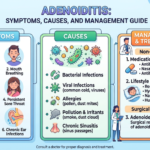
Sourthrout can develop for many reasons, ranging from infections to environmental factors. Viral infections are among the most frequent causes, especially those associated with colds and flu. Bacterial infections can also trigger more severe throat inflammation that lasts longer.
Environmental irritants such as smoke, pollution, and dry air often contribute to throat dryness and irritation. Excessive voice use, particularly shouting or prolonged speaking, can strain throat muscles and lead to discomfort. Allergies may also play a role by causing postnasal drip, which irritates the throat lining over time.
To better understand the major contributors, the table below outlines the primary causes and their typical characteristics.
| Cause Category | Source of Irritation | Typical Duration | Severity Level |
|---|---|---|---|
| Viral Infection | Cold or flu viruses | Short-term | Mild to moderate |
| Bacterial Infection | Streptococcal bacteria | Medium-term | Moderate to severe |
| Environmental Factors | Smoke, pollution, dry air | Variable | Mild |
| Vocal Strain | Excessive voice use | Short-term | Mild |
| Allergies | Pollen, dust, pet dander | Seasonal | Mild to moderate |
Early Symptoms That Signal Sourthrout
The symptoms of Sourthrout can vary depending on the underlying cause, but they often begin with a scratchy or dry sensation in the throat. This discomfort may worsen when swallowing or speaking. In some cases, pain can radiate to the ears due to shared nerve pathways.
Redness and swelling are common visual signs, sometimes accompanied by hoarseness or changes in voice tone. If infection is present, additional symptoms such as fever, fatigue, or swollen lymph nodes may appear. Recognizing these early signs allows for timely care and reduces the risk of complications.
How Sourthrout Feels at Different Stages
The sensation associated with Sourthrout often changes as the condition progresses. In the initial stage, dryness and mild irritation dominate. As inflammation increases, sharp pain or burning sensations may develop, particularly during swallowing. In later stages, persistent soreness and fatigue in the throat muscles can occur.
These stages are not always linear, and symptoms may fluctuate throughout the day depending on hydration levels, environmental exposure, and voice use.
Diagnosing Sourthrout Accurately
Diagnosis of Sourthrout typically begins with a physical examination of the throat, where redness, swelling, or visible irritation can be observed. Medical professionals may ask about recent illnesses, environmental exposure, and symptom duration.
In cases where bacterial infection is suspected, throat swabs may be used to identify specific pathogens. Accurate diagnosis is essential because treatment strategies differ significantly depending on whether the cause is viral, bacterial, or environmental.
Effective Treatment Approaches for Sourthrout
Treating Sourthrout focuses on relieving symptoms while addressing the underlying cause. Resting the voice, staying hydrated, and maintaining a moist environment can significantly reduce discomfort. Warm liquids often soothe irritated tissues, while avoiding smoke and pollutants prevents further irritation.
The table below compares common treatment approaches and their intended benefits.
| Treatment Method | Primary Purpose | Best For | Expected Relief |
|---|---|---|---|
| Hydration | Moistens throat tissue | All causes | Gradual |
| Warm Beverages | Soothing effect | Irritation and dryness | Moderate |
| Resting Voice | Reduces strain | Vocal overuse | Noticeable |
| Humid Air | Prevents dryness | Environmental causes | Steady |
| Medical Therapy | Eliminates infection | Bacterial causes | Significant |
Home Care Strategies That Support Recovery
Home-based care plays a crucial role in managing Sourthrout effectively. Maintaining adequate hydration helps thin mucus and reduce irritation. Warm saltwater gargles can provide temporary relief by soothing inflamed tissues.
Rest is equally important, as it allows the body’s immune system to focus on healing. Creating a clean indoor environment with proper humidity also prevents excessive throat dryness, especially during colder months.
Lifestyle Factors That Influence Sourthrout
Daily habits have a significant impact on throat health. Smoking and exposure to secondhand smoke increase the risk of chronic throat irritation. Poor hydration can dry out throat tissues, making them more susceptible to inflammation.
Diet also matters, as overly spicy or acidic foods may worsen irritation during active Sourthrout episodes. Maintaining balanced nutrition supports immune function and speeds recovery.
Prevention Strategies for Long-Term Throat Health
Preventing Sourthrout involves minimizing exposure to known irritants and strengthening the body’s natural defenses. Regular hand hygiene reduces the risk of viral infections, while avoiding close contact with sick individuals lowers transmission chances.
Staying hydrated, managing allergies effectively, and moderating voice use are simple yet powerful preventive measures. Environmental adjustments, such as using air purifiers or humidifiers, can also make a noticeable difference.
Sourthrout in Children and Older Adults
Children and older adults may experience Sourthrout differently due to immune system variations. In children, infections are more common, while in older adults, dryness and medication side effects may play a larger role.
When Sourthrout Signals a More Serious Issue
While most cases resolve without complications, persistent or severe Sourthrout should not be ignored. Symptoms lasting longer than a week, accompanied by high fever or difficulty breathing, may indicate a more serious condition.
The Psychological Impact of Persistent Sourthrout
Chronic throat discomfort can affect mood, sleep quality, and communication confidence. Difficulty speaking or swallowing may lead to frustration and social withdrawal, highlighting the importance of addressing both physical and emotional aspects of recovery.
Long-Term Outlook and Recovery Expectations
The prognosis for Sourthrout is generally positive, especially when underlying causes are identified early. Most individuals recover fully within days to a week, while preventive measures reduce recurrence risk.
Conclusion: Managing Sourthrout with Knowledge and Care
Sourthrout is a common condition, but its impact should not be underestimated. By understanding its causes, recognizing symptoms early, and adopting effective treatment and prevention strategies, individuals can manage discomfort and protect their throat health. With informed care and mindful habits, recovery becomes smoother, and future episodes become less frequent.