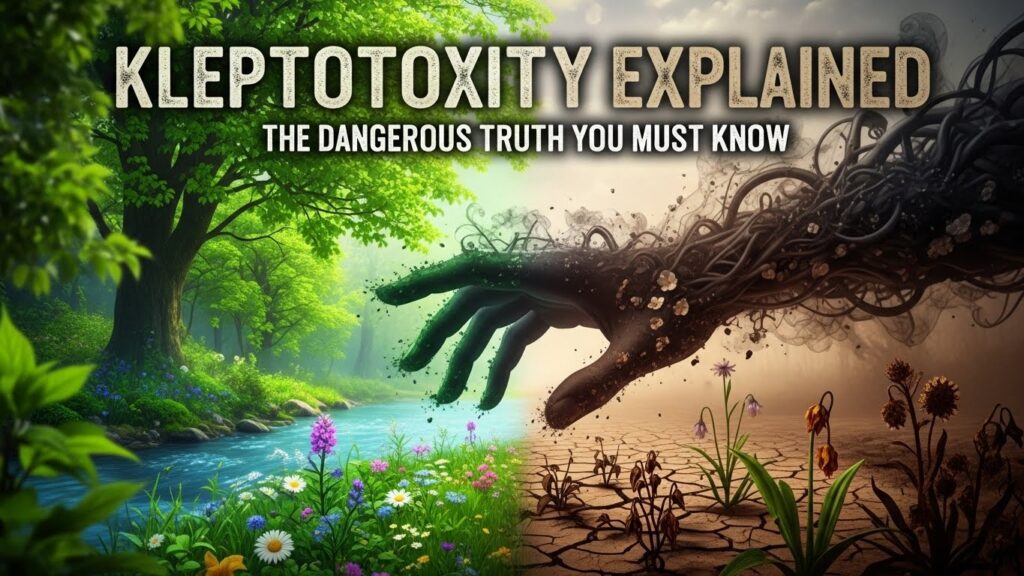
Kleptotoxicity is a term increasingly discussed among scientists and environmental experts, yet it remains largely unfamiliar to the general public. It describes the process by which toxic substances are accumulated in living organisms as a result of environmental exposure, diet, or interaction with contaminated sources. Unlike immediate poisoning, often occurs gradually and silently, making it a particularly insidious threat. Over time, the accumulation of toxins can impact both animal and human health, affecting vital organs, reproductive health, and overall biological functioning. Understanding is essential for recognizing how human activity, environmental pollution, and the food chain interact to create invisible hazards.
The Origins of Kleptotoxicity
Kleptotoxicity primarily arises from environmental pollutants such as heavy metals, pesticides, and industrial chemicals. These substances can enter ecosystems through water contamination, soil pollution, and air deposition. Organisms then ingest or absorb these chemicals, which may not always be metabolized or excreted effectively. As a result, toxins accumulate in tissues and organs, often concentrating at higher levels in predators or top-tier organisms. The term itself combines “klepto,” meaning stealing, with toxicity, reflecting the process by which toxins are effectively stolen from the environment and concentrated in living organisms. The study of sheds light on the interconnectedness of ecosystems and the hidden dangers that humans and wildlife face.
How Kleptotoxicity Affects the Food Chain
One of the most concerning aspects of kleptotoxicity is its effect on the food chain. When small organisms such as plankton or insects absorb pollutants, they become carriers of toxins for the next level of predators. Fish, birds, and mammals consuming these contaminated organisms accumulate toxins in higher concentrations, a process known as biomagnification. For humans, this can mean that commonly consumed foods such as seafood, poultry, or even certain vegetables may carry hidden toxic risks. Kleptot oxicity illustrates that environmental health and human health are directly linked, as toxins move invisibly from one level of the ecosystem to another.
Common Sources of Kleptotoxicity
The sources of kleptotoxicity are diverse and often related to modern industrial and agricultural activities. Heavy metals like mercury and lead, industrial solvents, and chemical pesticides are among the most commonly reported contributors. Contaminated water bodies, polluted soils, and industrial waste disposal sites serve as entry points for these substances into ecosystems. Even household products such as certain plastics, cleaning agents, or personal care items can release chemicals into the environment that eventually contribute to kleptoto xicity. Identifying these sources is a critical step in managing risks and protecting both wildlife and human populations.
Symptoms and Health Implications
The health effects of kleptotoxicity depend on the type and concentration of toxins accumulated. Chronic exposure can lead to neurological disorders, hormonal imbalances, organ damage, and weakened immune systems. For wildlife, kleptotoxic ity can cause reproductive failure, stunted growth, and behavioral changes. In humans, prolonged exposure to toxins through diet or environment can result in chronic illnesses such as cardiovascular disease, kidney damage, or developmental issues in children. Early detection is challenging because the effects often appear gradually, making public awareness and preventive measures crucial.
Research and Studies on Kleptotoxicity
Scientific interest in kleptotoxici ty has grown as researchers aim to understand its long-term impact on ecosystems and human health. Studies on fish populations in contaminated rivers have revealed unusually high concentrations of heavy metals, which then enter human food chains. Similarly, research on soil and plant contamination has demonstrated that even low levels of industrial pollutants can accumulate over time in crops. These studies highlight the importance of environmental monitoring and regulatory measures to minimize the risks of kleptotox icity. Continued research is essential to develop mitigation strategies and safeguard public health.
Prevention and Mitigation Strategies
Preventing kleptotoxicity requires a combination of environmental management, regulatory enforcement, and individual action. Governments can implement stricter pollution controls, monitor industrial waste disposal, and establish safe thresholds for chemicals in soil, water, and food. Individuals can reduce personal exposure by choosing organic or locally sourced foods, avoiding heavily processed items, and supporting sustainable farming practices. In ecosystems, restoration efforts such as cleaning polluted rivers, remediating contaminated soils, and protecting vulnerable wildlife habitats are effective ways to reduce the spread of toxins. Collective action is necessary to combat the invisible dangers of kleptoto xicity.
Kleptotoxicity in Modern Society
In modern industrialized societies, the risk of kleptotoxicity is amplified due to rapid urbanization, industrial growth, and widespread chemical use. Airborne pollutants, chemical runoff, and improper waste management create pathways for toxins to enter the environment. The global food trade can further complicate the issue, as contaminated products may cross international borders unnoticed. Understanding the prevalence of kleptotox icity in society underscores the need for transparency in industrial practices, food safety regulations, and public education about environmental hazards.
The Role of Policy and Regulation
Addressing kleptotoxicity effectively requires coordinated policy and regulatory action. Environmental agencies must establish strict guidelines for pollutant emissions and chemical usage. International cooperation is also necessary because toxins do not respect national boundaries. Regulatory policies should emphasize prevention, regular monitoring, and remediation strategies. Public awareness campaigns can complement these measures by encouraging responsible consumer behavior and highlighting the importance of reducing environmental contamination. Strong legislation is essential to prevent the silent accumulation of toxins that kleptot oxicity represents.
The Future of Kleptotoxicity Research
As environmental challenges grow, research on kleptotoxi city will play an increasingly important role in safeguarding human and ecosystem health. Emerging technologies such as biomonitoring, environmental sensors, and advanced analytical tools allow scientists to track toxins more accurately. Future studies may focus on understanding the molecular mechanisms of toxin accumulation, identifying new sources of contamination, and developing targeted mitigation strategies. Public engagement in environmental conservation, sustainable practices, and scientific literacy will also shape the response to kleptotoxicity in the years to come. Awareness and action today can prevent long-term consequences tomorrow.
Conclusion
Kleptotoxicity represents a hidden but significant threat to both ecosystems and human health. By understanding its causes, effects, and preventive strategies, individuals and communities can take meaningful steps to minimize risk. The accumulation of toxins through the environment and food chain highlights the importance of environmental stewardship and responsible industrial practices. Continued research, strong policy frameworks, and public awareness are essential for combating this invisible danger. Kleptotoxi city may be a complex concept, but its impact is tangible and far-reaching, making knowledge and action critical for a safer future.
Frequently Asked Questions
1. What is kleptotoxicity?
- Kleptotoxicity is the accumulation of toxic substances in living organisms through environmental exposure, diet, or interaction with contaminated sources. It often occurs gradually and can affect both animals and humans.
2. How does kleptotoxicity affect the food chain?
- Kleptotoxicity can lead to biomagnification, where toxins accumulate at higher levels in predators consuming contaminated prey. This process can ultimately affect human health through the consumption of food products.
3. What are common sources of kleptotoxicity?
- Major sources include heavy metals, pesticides, industrial chemicals, polluted water and soil, and certain household products. Environmental contamination is a primary pathway for toxins to enter organisms.
4. What health issues are linked to kleptotoxicity?
- Chronic exposure can lead to neurological disorders, organ damage, reproductive problems, hormonal imbalances, and weakened immune systems. Effects often appear gradually, making early detection challenging.
5. How can kleptotoxicity be prevented?
- Prevention includes strict environmental regulations, monitoring industrial pollution, sustainable farming practices, choosing safe food sources, and environmental restoration efforts to reduce toxin accumulation.